

AI Resources

Use of ChatGPT or Other AI Tools at Bryan
Bryan University recognizes the utility of artificial intelligence (AI) tools in both academic settings and as part of our daily lives. In an effort to support a robust learning environment that adapts to changing technologies, guidelines for engaging AI tools, such as ChatGPT, are described here.
Faculty may encourage students to develop their skills in using AI or leverage AI to help students learn about their fields or course content within online courses. This is at the faculty member’s discretion. However, unless otherwise specified by the faculty member, all submissions, whether in draft or final form, to meet course requirements (including a paper, project, exam, computer program, oral presentation, or other work) must either be the student’s own work, or must clearly acknowledge the source. Unless an instructor indicates otherwise, the use of ChatGPT or other AI tools for course assignments is akin to receiving assistance from another person and raises the same concern as work that is not the student’s own. Sanctions fall under those listed in the Code of Conduct.
The Basics of Artificial Intelligence… anything but basic!
According to AI for Education, Artificial Intelligence (AI) is “the simulation of human intelligence processes by machines, especially computer systems. AI can perform tasks that typically require human intelligence, such as visual perception, speech recognition, decision-making, and language translation.”
Generated AI, like ChatGPT, refers to “a category of AI systems and techniques that are designed to generate new content, data, or outputs based on training data. GenAI can create new content such as text, images, audio, video, and more.” Other notable GenAI models include: Claude, Gemini, and Copilot.
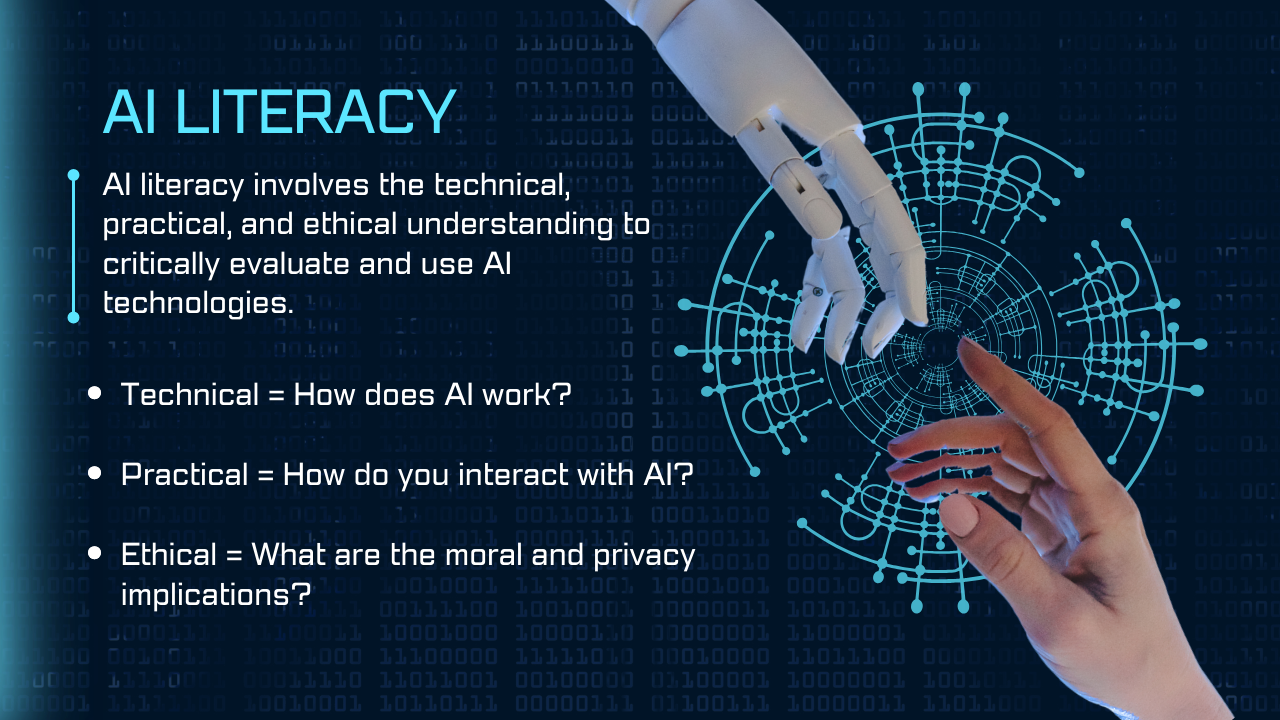
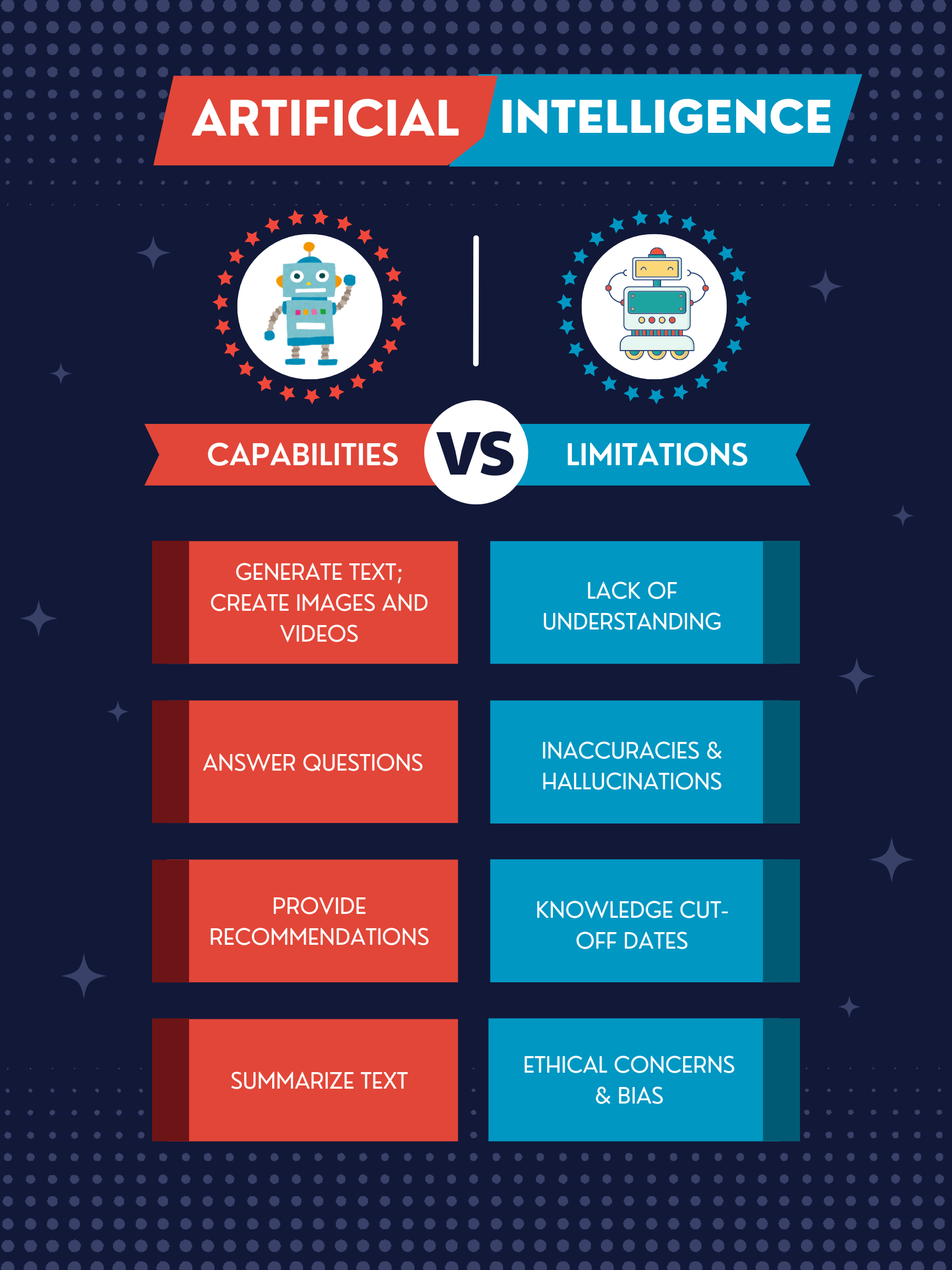
Caution! AI is powerful, but also has its drawbacks!
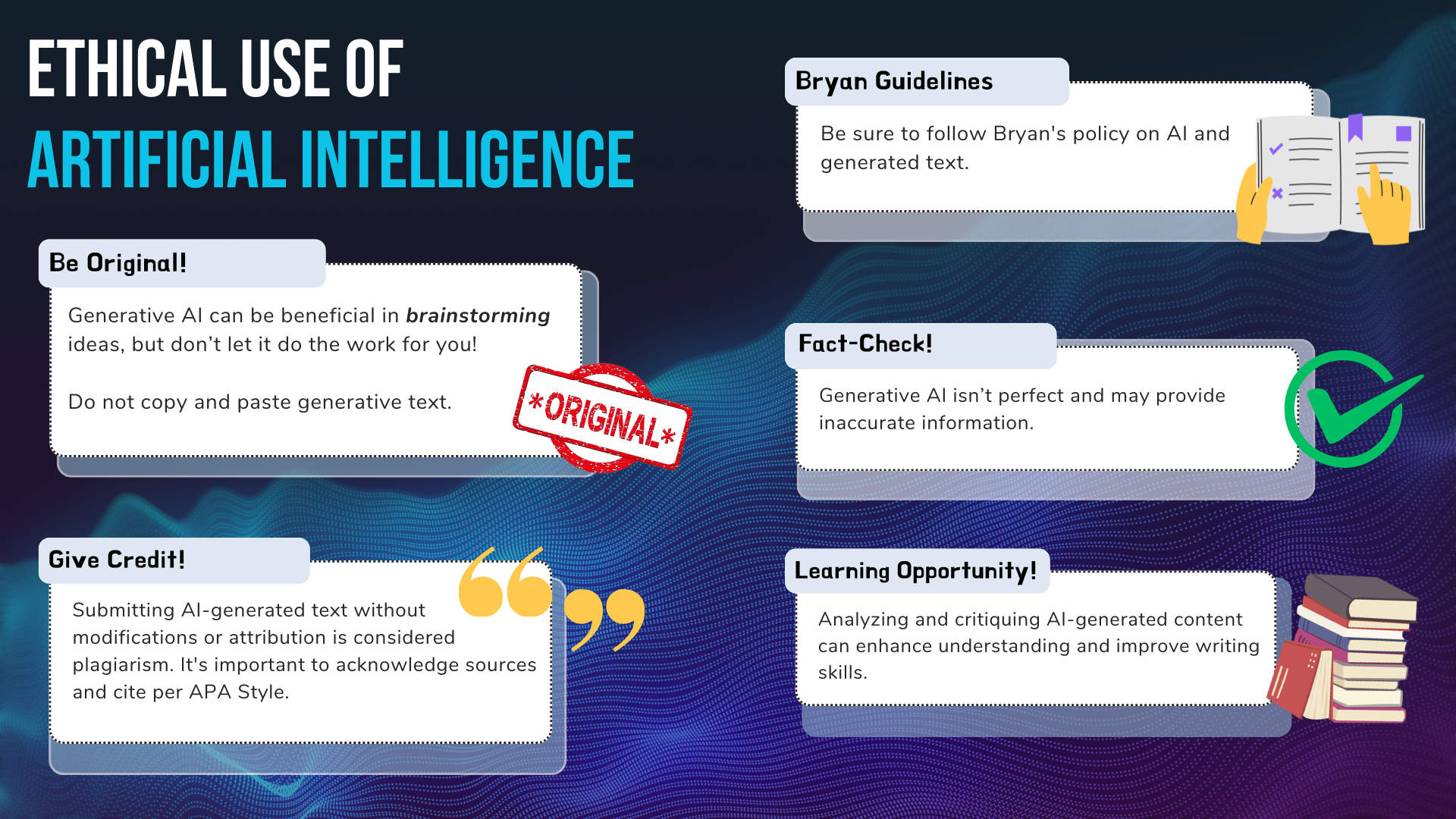
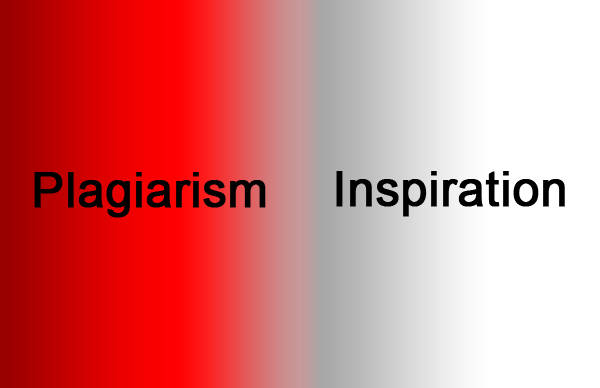
Generated AI & Plagiarism
When discussing generative AI and plagiarism, it’s essential to understand their key differences and implications.
AI-language models are designed to generate human-like text based on prompts. It can create original responses, summaries, or even engage in conversations on various topics by synthesizing information from its training data.
Plagiarism involves taking someone else’s work, ideas, or expressions and presenting them as one’s own without proper acknowledgment. This is unethical and can have serious academic consequences.
It’s crucial for users to understand how to interact with AI tools responsibly and ensure their work is original by citing sources when necessary to avoid any issues related to plagiarism.
Plagiarism Checkers for
AI-Generated Content
- Grammarly AI Detector – Navigate responsible AI use with Grammarly’s checker, trained to identify AI-generated text. A clear score shows how much of your work appears to be written with AI so you can submit it with peace of mind.
- Copyleaks AI Detector – The Copyleaks AI detection tool offers over 99% accuracy, supports 30+ languages, and covers GPT, Gemini, and Claude, plus newer models as they’re released.
- TraceGPT – TraceGPT (also referred to as AI Plagiarism Checker & ChatGPT Content AI Detector) is part of PlagiarismCheck.org.
- Hive – The Hive Moderation AI-generated content detection tool can also detect AI-generated images, videos, and audio.
Tools & Resources

Turnitin is a tool that helps detect potential instances of plagiarism by reviewing submissions against a very extensive database of websites, scholarly publications, journals, periodicals, and other students’ papers that have been submitted and and flags passages that may need reviewed due to similarities.
Be sure to cite AI-generated text if you use it in your work. Take a peek at this APA blog post to understand situations where students and researchers use ChatGPT to create text and to facilitate their research, not to write the full text of their paper.

- Learn How to Use ChatGPT – A free online course! Learn how ChatGPT works, how to use ChatGPT in your everyday life, and how to write effective ChatGPT prompts.
- A Decision Tree to Guide Student AI Use – This model guides students to ask vital questions about their AI use and to reflect on how it benefits their learning.
- Student Guide to AI – Navigating College in the Artificial Intelligence Era – Includes “The Essential AI ‘How-to” Manual,” providing prompt guidelines, generative AI concerns, and AI terminology.
- Student Guide to AI Literacy – Outlines AI literacy and its importance in education and technology.
- AI Literacy for Users – A Comprehensive Review and Future Research Directions of Learning Methods, Components, and Effects – A comprehensive review of the AI literacy literature.
- Conceptualizing AI Literacy: An Exploratory Review – This review proposed four aspects (i.e., know and understand, use, evaluate, and ethical issues) for fostering AI literacy based on the adaptation of classic literacies.
- The Future of AI in Higher Education – Outlines appropriate and inappropriate uses of AI, along with opportunities and risks.
- Elements of AI – A free online course for everyone interested in learning what AI is, what is possible (and not possible) with AI, and how it affects our lives