Turnitin Resource Guide
How Turnitin Works
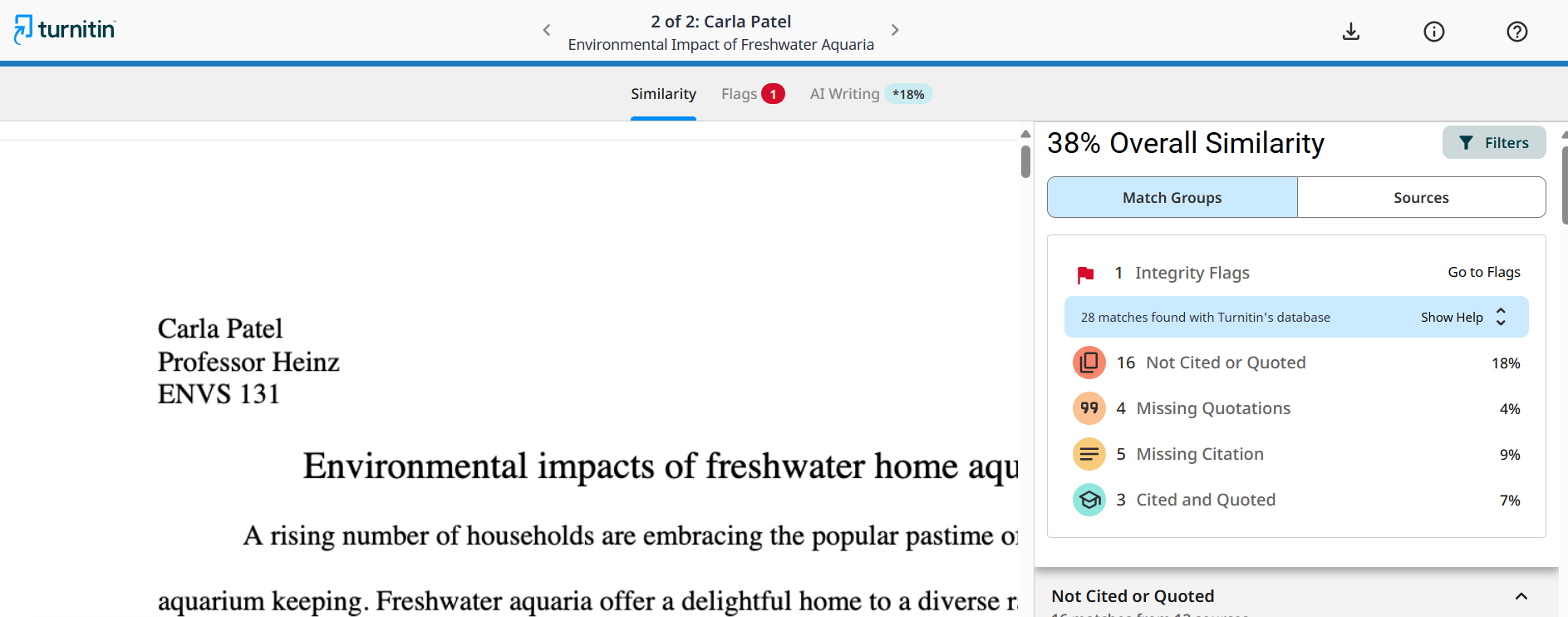
Turnitin is a software resource Bryan University uses to help students avoid plagiarism, develop original work, and properly cite their sources. By comparing student submissions to a vast database of academic materials, Turnitin supports academic integrity and encourages the use of students’ own words and ideas. This guide will help you understand how Turnitin works, what the Similarity Index means, and how to interpret your results effectively.
Turnitin is a powerful tool used by educators and institutions worldwide to detect potential plagiarism and support academic integrity. By comparing student submissions against a vast database of scholarly articles, internet content, and previously submitted papers, Turnitin helps ensure originality in academic writing.
How the Similarity Index Works
🔍 What Is the Similarity Index?
The Similarity Index is a percentage score generated by Turnitin that shows how much of a submitted document matches other sources in its database. For example, a 25% score means that one-quarter of the document contains text that can be found in other sources.
But remember: a high percentage doesn’t necessarily mean plagiarism, and a low percentage doesn’t always guarantee originality. Interpretation matters.
How to Interpret Turnitin Scores
Here’s a general guide to understanding what the percentages typically indicate:
✅ 0%–10%: Low Similarity
This range usually reflects a small amount of matching text—commonly used phrases, references, or general knowledge. Typically, no cause for concern.
⚠️ 10%–30%: Moderate Similarity
Some overlap with source materials may appear here. It could be due to quotes, citations, or paraphrasing. Review the matches to confirm proper attribution.
🚩 30%–50%: High Similarity
A significant portion of the paper matches external sources. This should prompt a detailed review to see whether the content is paraphrased or quoted correctly.
🛑 Above 50%: Very High Similarity
This level of similarity raises red flags. Carefully examine the report for improperly cited or copied material, and consider follow-up with the student.
Exploring the Match Overview
After viewing the Similarity Index, click on the score to access the Turnitin Similarity Report, which includes:
Matched Text: Highlighted areas in the student paper that match external sources.
Source List: A breakdown of where the content was matched (e.g., websites, journals, student papers).
Color-Coding: Visual indicators showing which text belongs to which source.
Citation Indicators: Flags whether matching content is quoted and cited properly.

Not all matches are problematic. Some matches may include:
- Properly quoted and cited material.
References or bibliographic entries.
Common academic or technical phrases.
Ask yourself:
Are direct quotes enclosed in quotation marks and cited?
Is paraphrased material genuinely reworded and properly attributed?
Are flagged items necessary or unavoidable academic content?
Final Judgement
Academic Integrity Over Percentages
Turnitin is a diagnostic tool, not an automatic plagiarism detector. A high Similarity Index doesn’t always mean misconduct, and a low score doesn’t guarantee originality. Use your academic judgment in combination with the report’s details.
Always consider:
The quality of citations.
The role of the matched text in the paper.
Whether the student followed academic standards and guidelines.
Empowering Fair and Informed Decisions
Understanding how to interpret Turnitin results ensures fair, transparent, and educational responses to student writing. Use the Similarity Index as a conversation starter—not a verdict—to foster a culture of academic honesty and learning.

Need More Help?
Contact your Program Director for further guidance on using Turnitin reports effectively.
Copyright 2025 | Bryan University | 350 West Washington Street, Tempe, AZ 85281

Copyright 2025 | Bryan University | 350 West Washington Street, Tempe, AZ 85281